
Product Focus
Walkway Inserts
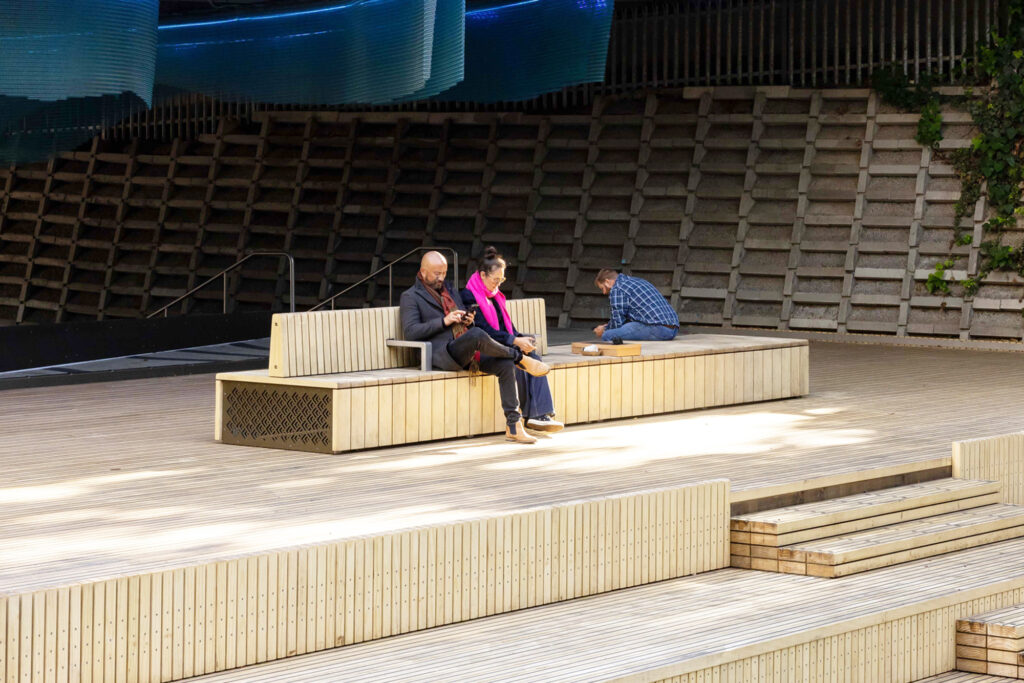
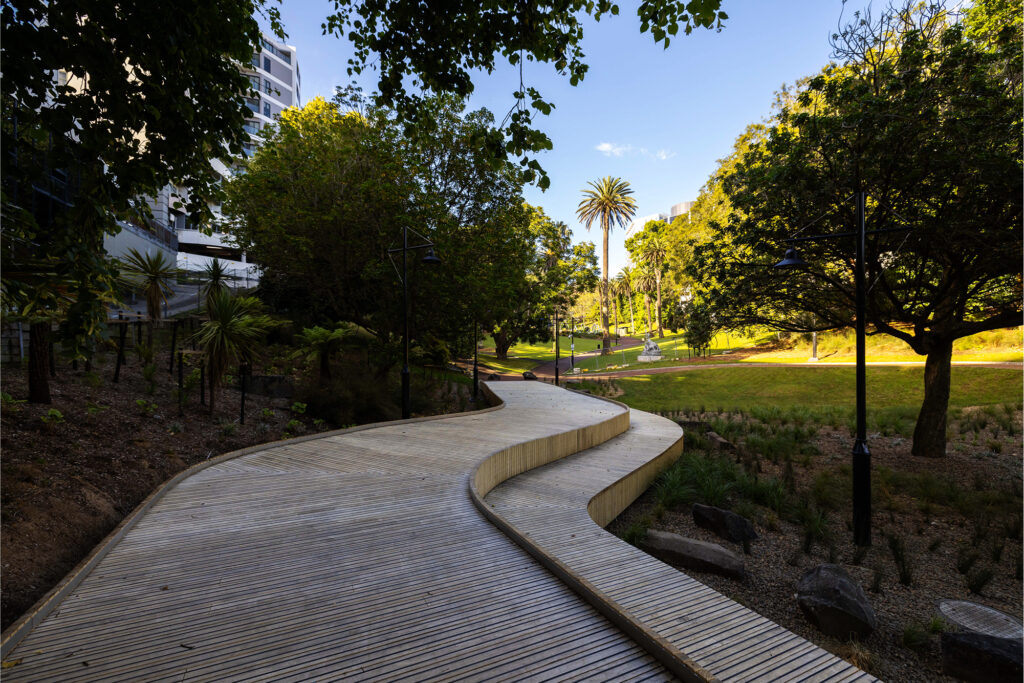
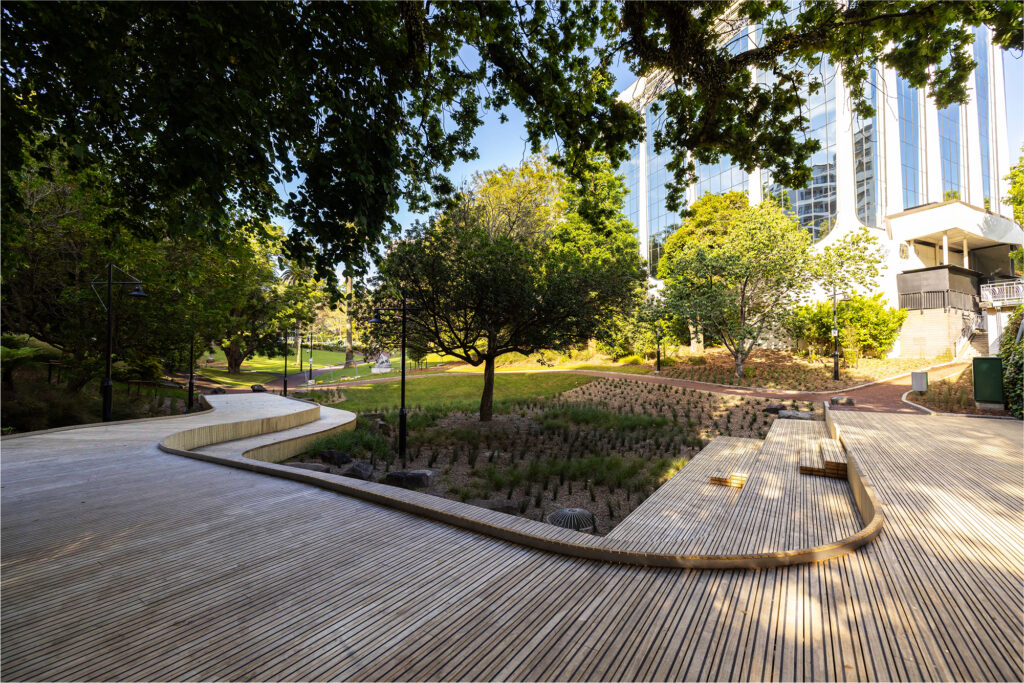
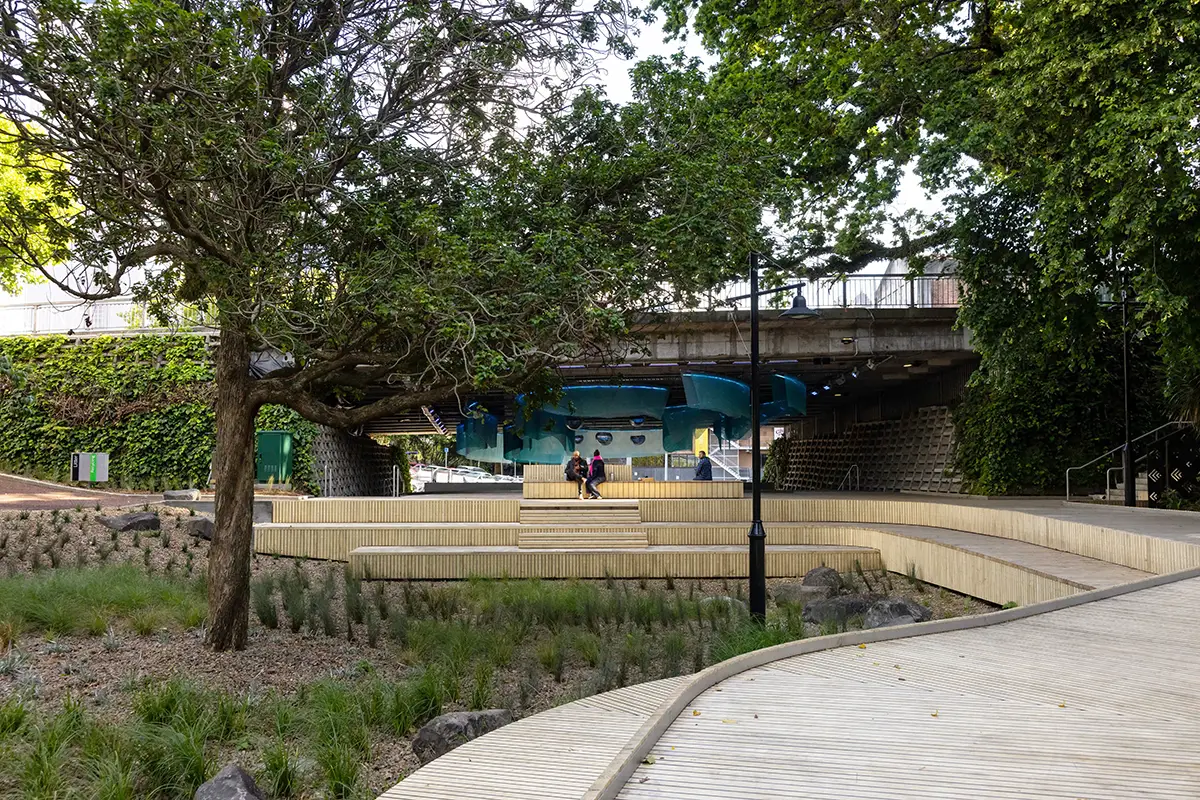
Aotearoa is a country of walkways: the boardwalk leading to the largest kauri tree in our country, Tāne Mahuta; the zigzagging trail of the Milford Track; the timber paths curling around our cafes and public buildings. In the summer sun, these walkways are as inviting as can be, beckoning us towards adventures and exploration. However, when rain lashes down upon timber, or frost bites into the wood, or algae creeps over the pathway, there is a greater risk of slips. People hesitate to venture out, and when they do, they face an ever-present threat of injury.
Fortunately, there is a solution so simple and effective that we wonder why it hasn’t already been incorporated all over the country: walkway inserts.
What is a walkway insert?
Picture yourself slipping across a smooth floor slick with moisture.
Now picture it again, but this time, imagine that the floor is embedded with strips of a rough material that slows your motion, giving you time to catch yourself.
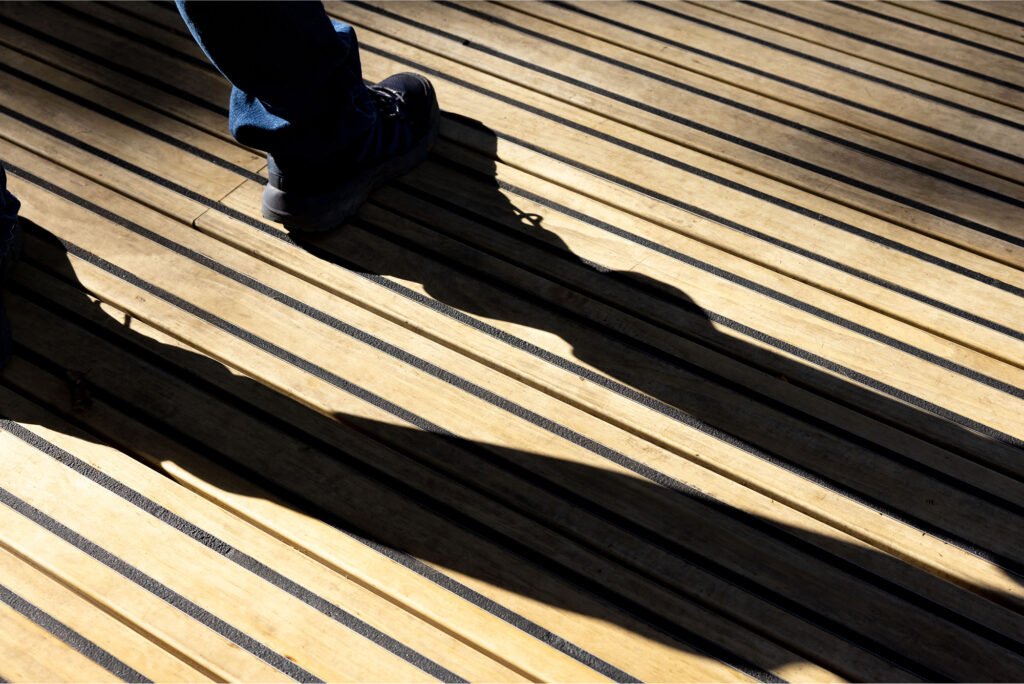
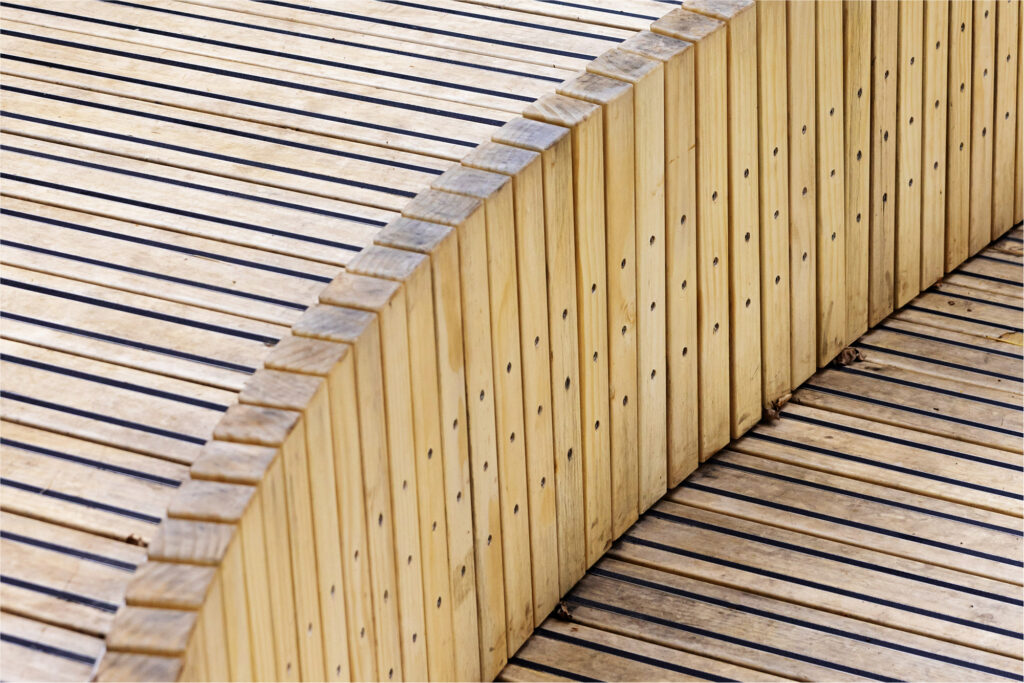
That’s the principle behind a walkway insert. These anti-slip strips are installed into timber decking to minimise the risk of slips and reduce the severity of injuries.
So it’s just an anti-slip device?
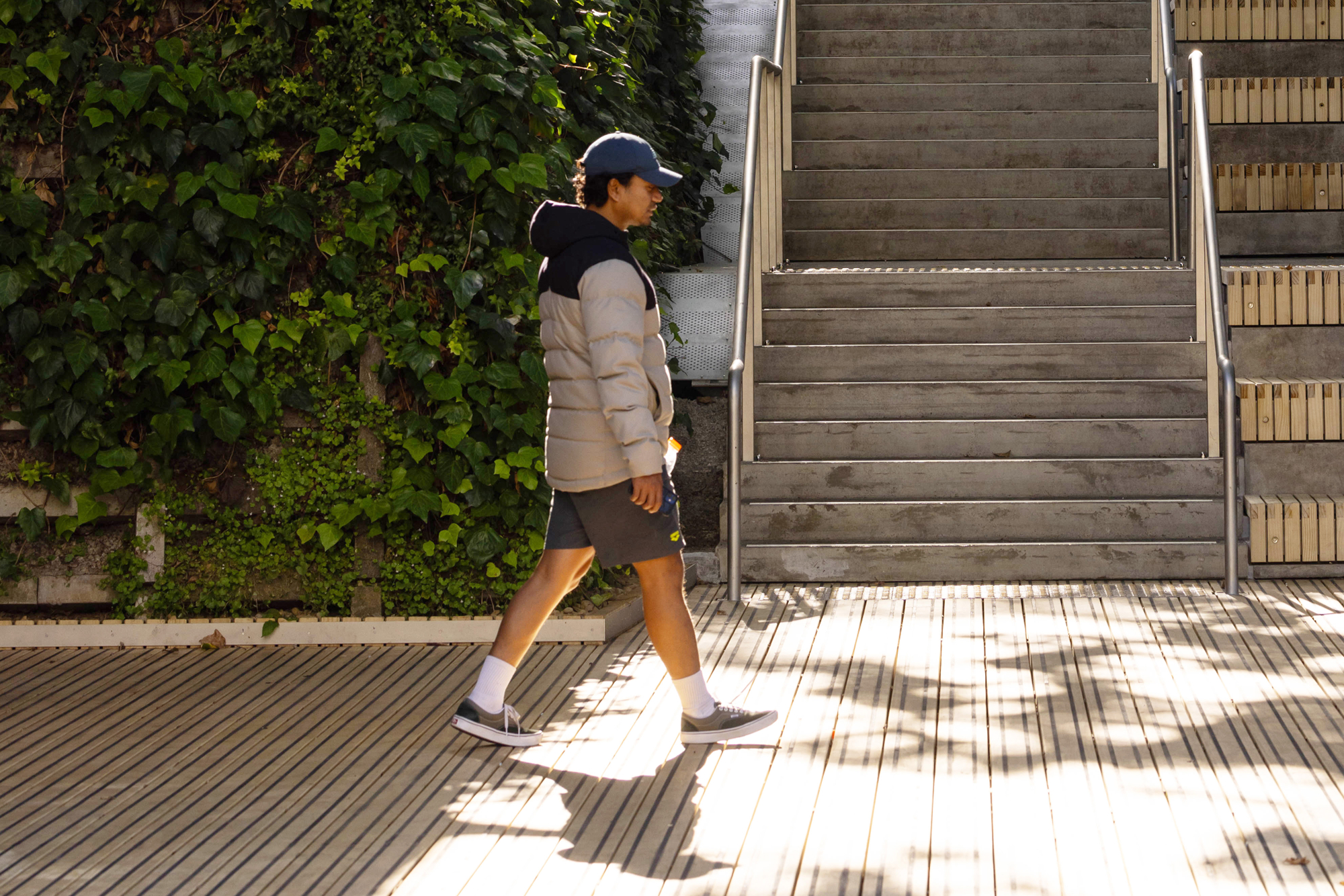
The big picture here is about accessibility. Slip resistance benefits all of us, but it’s especially important for elderly people, people with mobility issues, visually impaired users, and anyone else who finds it challenging to navigate built environments.
Recent reports approximate that one in six New Zealanders are disabled. We’re talking about the safety, confidence, and comfort of almost a million people. When we make walkways slip resistant and safer, we make it easier for these vulnerable communities to participate in events and activities, access services, and live their daily lives.
Where should walkway inserts be used?
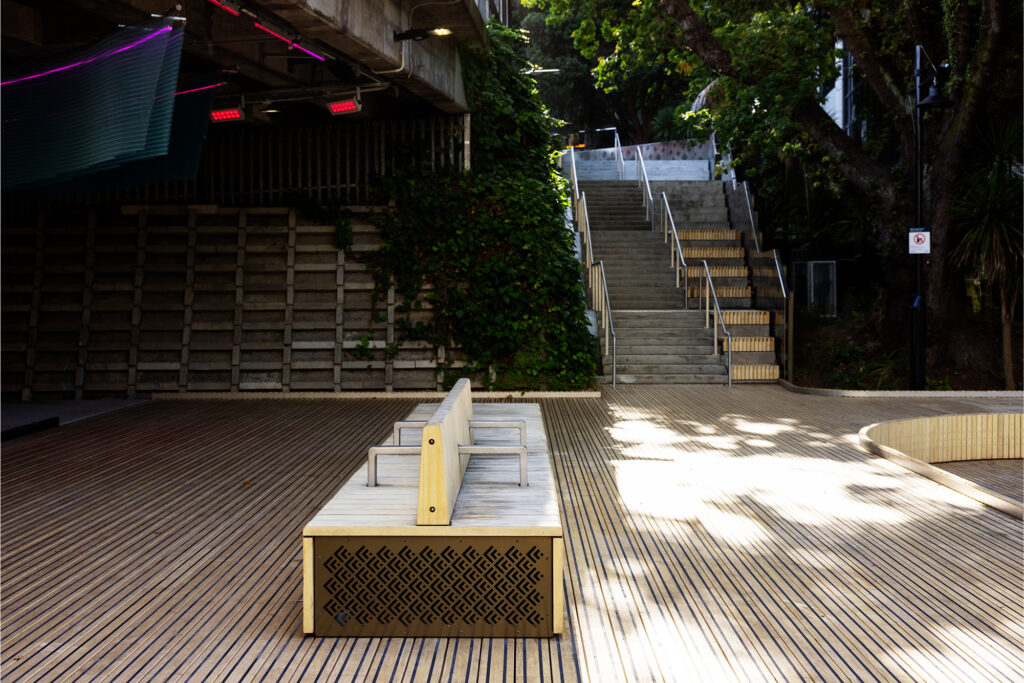
Freedom Works’s walkway inserts can be used in both indoors and outdoors environments, and they have been manufactured to resist harsh weather conditions and heavy foot traffic. They should be used for pathways like decks, ramps, footbridges, boardwalks, and pontoons, and they are especially important in high-activity areas like schools, playgrounds, swimming pools, and hospitals. They can be installed into a wide range of substrates, including timber, tiles, and polished marble.
How are walkway inserts designed?
The SMW10
This is a silver anodised aluminium channel with a solid black carborundum infill. The minimalist design integrates unobtrusively into decking, and the silvered sides create a pleasing contrast with warm timber tones. The carborundum infill has a relatively smooth texture, so this is an ideal option for areas where children are playing or people are travelling in bare feet. The insert is adhesive fixed with hidden fixings through the rebate for a clean final look.
The SMW20
This is a silver anodised aluminium alloy channel with a bauxite aggregate resin infill. The infill has a wide, rough surface for extreme slip resistance – ideal for environments with high moisture, debris, dirt, leaves, mould, and algae – and it comes in several colour variations for visual customisability.
The SMW30
This insert is also an aluminium channel profile with a bauxite aggregate resin infill. However, unlike the previous option, this insert is installed using a saw-cut rebate, which makes it more cost-effective and easier to install. It sits slightly proud of the walkway, creating a pleasing textured effect underfoot. We recommend this option for projects where cost-effectiveness and timeliness are crucial factors.
The SMW40 and SMW50
These two inserts are engineered to fit most grooved decking profiles. The SMW40 features a charcoal bauxite aggregate resin infill, while the SMW50 offers a ribbed aluminium surface for the ultimate metallic look.
The SMW60
This profile is set with a triple row of bauxite aggregate infills for a dynamic patterned effect. This insert is rebated into decking and secured with hidden fixings, creating a clean visual effect and preventing timber from warping or popping.
The SMW70
This silver anodised aluminium profile with a carborundum insert is designed with a low rebate profile, allowing easy integration into thinner decking timbers. This insert has a wide profile, which gives it a unique aesthetic effect and also cuts down on the number of inserts required across your walkway.
Can’t I just use something else?
While carpet is a popular option, this ruins the overall effect of timber walkways.
Anti-slip tape and non-skid paint may have their merits for short-term environments, but they require frequent reapplication, resulting in ongoing maintenance costs.
Plastic mesh is often installed on public walkways, but it does not have adequate slip resistance, it is not optimal for wheelchair users, and it might cause injury to pets.
Our walkway inserts are durable, reducing the necessity for maintenance and replacement costs over time. They're reliable, helping you to protect pedestrians from slip risks in built environments. And last, but certainly not least, they're designed to subtly complement your environment.
If you want the best for your project, you’ve come to the right place.
Is slip resistance really that important?
The New Zealand Building Code isn’t very flexible when it comes to people’s safety in constructed environments. Take it from us – we’ve spent years developing our code compliance expertise. Access routes and walkways are required to meet a minimum slip resistance threshold, and we have designed our walkway inserts to do exactly that.
Browse our walkway inserts here.
Not sure how to find the right fit for your project? Contact the Freedom Works team, and we'll help you make your walkways safer for all users.